Introduction: The Sweet Symphony of Whipped Cream
Whipped cream. Just the mention of it can make your mouth water, right? This fluffy, airy delight has been a preferred for centuries, not just as a topping but also as an essential part of cake decoration. The art of utilizing whipped cream as cake icing is a scrumptious ability that integrates both science and imagination. Whether it's for a birthday, wedding, or an easy household gathering, mastering whipped cream frosting can raise your cakes from common to extraordinary.
In this post, we'll explore the art of utilizing whipped cream as cake frosting-- covering whatever from its history and types to strategies and tips for achieving that best surface. So grab your blending bowl and let's work up some magic!
The Science Behind Whipped Cream
What Is Whipped Cream?
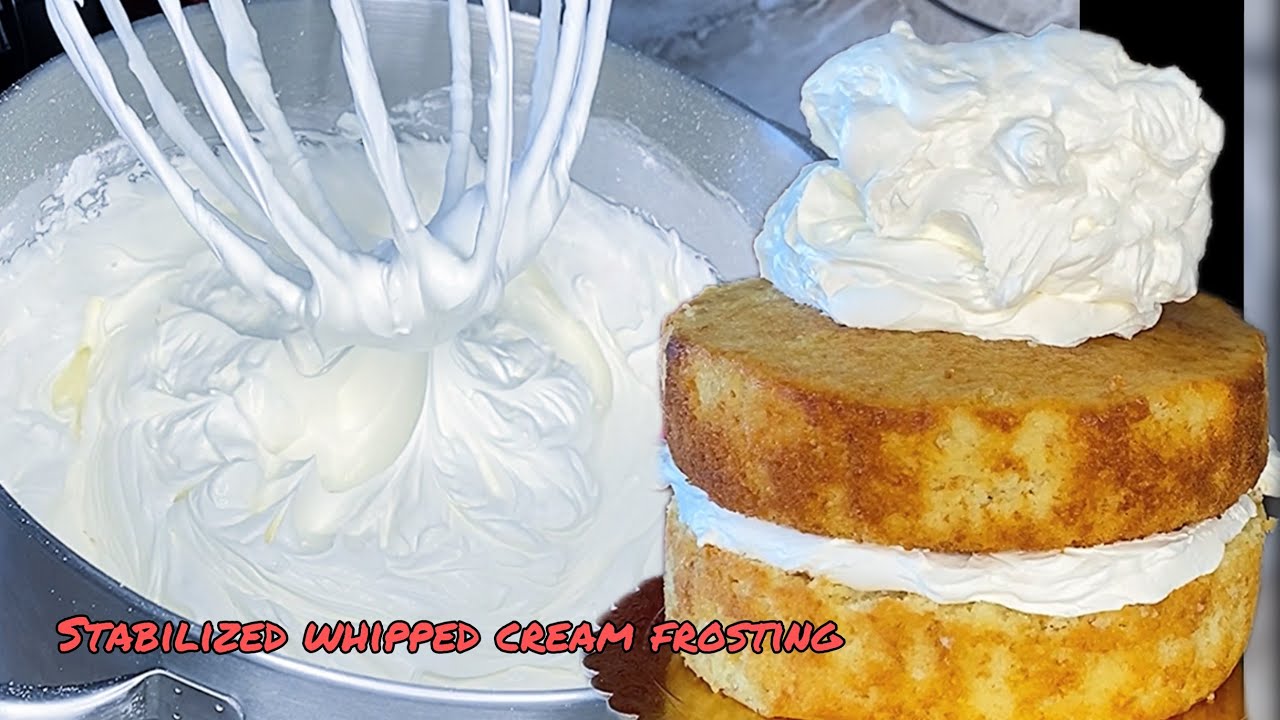
Whipped cream is essentially heavy cream that has actually been beaten up until it lightens and fluffy, incorporating air to develop a steady structure. But why does this happen? When you beat whipping cream, the fat particles begin to clump together, trapping air at the same time. This results in that beautiful texture all of us adore.
The Role of Fat Material in Whipping
The fat material in whipping cream typically varies from 36% to 40%. Higher fat content means better stability when whipping. So when you're buying components, watch out for whipping cream labeled as such; it's vital for achieving the very best whipped cream results.
Temperature Matters
Did you know that temperature plays a considerable role in the whipping procedure? Cold cream whips much better than room-temperature cream because the fat molecules are more strong and can trap air more effectively. Constantly chill your blending bowl and beaters too; it makes a world of difference.

Choosing the Right Ingredients for Whipped Cream Frosting
Heavy Cream vs. Whipping Cream: What's the Difference?
While both heavy cream and light whipping cream serve similar purposes, there's a subtle distinction between them. Whipping cream has a greater fat content (36% or more), making it ideal for stability in icing applications. On the other hand, light whipping cream normally consists of about 30% to 35% fat-- sufficient however not optimal for long-lasting stability.
Flavoring Alternatives: Beyond Vanilla
Vanilla extract is the timeless choice for flavoring whipped cream, however why stick to just that? You can experiment with numerous flavors like almond extract, cocoa powder, and even fruit purees to give your whipped cream an exciting twist!
Sweeteners: Granulated Sugar vs. Powdered Sugar
When sweetening your whipped cream, granulated sugar works fine; however, powdered sugar liquifies quickly and helps stabilize your whipped icing better due to its cornstarch content.
The Art of Using Whipped Cream as Cake Icing Techniques
Basic Method: How to Make Perfect Whipped Cream
Chill Your Equipment: Position your bowl and beaters in the fridge or freezer for about 15 minutes. Measure Ingredients: Usage 1 cup of heavy light whipping cream with 2 tablespoons of sugar and a splash of vanilla. Start Slow: Start beating at low speed up until soft peaks form. Increase Speed: Gradually boost to medium-high speed up until stiff peaks form; be cautious not to overwhip!Stabilizing Your Whipped Cream
Stabilized whipped cream holds up much better over time-- specifically if you're making layered cakes or planning on serving them later.
Methods Include:
- Adding gelatin Incorporating immediate pudding mix Using cornstarch
Each approach uses various advantages in regards to texture and flavor.
Creative Uses for Whipped Cream on Cakes
Layer Cakes vs. Sheet Cakes: Application Tips
When frosting layer cakes with whipped cream:
- Apply a crumb coat first to seal in crumbs. Use an offset spatula for smooth application in between layers.
For sheet cakes:
- Spread equally across the top using long strokes with a spatula.
Decorative Methods: Patterns and Piping
With whipped cream frosting, you can develop stunning designs using piping bags fitted with different nozzles:
- Star ideas produce stunning rosettes. Round pointers work well for composing or basic swirls.
Experiment with different strategies till you find what matches your style!
Exploring Flavor Mixes with Whipped Cream Frosting
Fruity Infusions: Including Fresh Fruits into Your Frosting
Imagine biting into a strawberry shortcake where fresh strawberries blend completely with sweetened whipped cream! You can fold fresh fruit puree or carefully chopped fruits into your whipped mixture.
Chocolate Lovers' Pleasure: Chocolate Whipped Cream Recipe
A chocolate version adds an indulgent twist! Merely include cocoa powder or melted chocolate into your base recipe.
Troubleshooting Typical Issues with Whipped Cream Frosting
Why Is My Whipped Cream Grainy?
Graininess frequently arises from early over-whipping or utilizing granulated sugar instead of powdered sugar. Constantly begin slow!
My Whipped Cream Is Deflating-- What Went Wrong?
Deflation can take place if:
- The whipped mix was under-whipped at first, Not enough stabilizer was used, Or if it sat out too long at room temperature.
Refrigerate immediately after preparation!
Whipped Cream Variations Around the World
European Versions: Chantilly vs. Crème Fraîche
In Europe, chantilly refers specifically to sweetened whipped cream flavored with vanilla-- often used extravagantly on desserts! On the other hand, crème fraîche adds tanginess due to its fermentation process-- an excellent alternative worth exploring!
Asian Influences: Coconut Milk Whipped Topping
Coconut milk can be cooled and then whipped into soft peaks-- a wonderful dairy-free alternative instilled with tropical flavors!
FAQs About Using Whipped Cream as Cake Frosting
Can I use store-bought whipped topping instead?- While store-bought options are hassle-free, they typically lack the richness and flavor homemade variations offer.
- Generally speaking, cakes frosted with fresh whipped cream must be consumed within 1-- 2 days if saved appropriately in the fridge.
- Yes! Use gel food coloring sparingly while blending-- it will not impact stability compared to liquid colors.
- Cover it loosely with plastic wrap (prevent pushing down) and cool promptly.
- Absolutely! There are excellent non-dairy options offered like coconut whipping creams which work splendidly!
- A handheld mixer or stand mixer is ideal; nevertheless, you can likewise whip by hand using a whisk-- though this requires some elbow grease!
Conclusion: Elevating Your Baking Game
So there you have it-- the art of utilizing whipped cream as cake frosting opens various possibilities for imagination in dessert-making! From understanding its science to mastering strategies that ensure success Have a peek here whenever you work up this airy concoction-- you're now equipped with all you need.
Whether you're preparing a sophisticated multi-layered cake or just including style to cupcakes at home-- the adaptability offered by freshly made whipped topping opens doors that lead directly into dessert paradise!
So roll up those sleeves and prepare yourself due to the fact that now's your possibility-- to impress family and friends alike by embracing the art of utilizing whipped cream as cake frosting Pleased baking!